From The Stove: Small Notes Worth Knowing
Three narrow kitchen techniques for Mexican-American dishes, each kept to what a home cook can check for themselves.
We keep this page for the small things that come up once a dish has been chosen. The dish pages explain what a plate is built from. These notes stay with one job at a time: keeping fried food crisp, holding a queso smooth, and warming a corn tortilla without drying it out.
Each note stands on its own, so read the one you need and skip the rest. The methods are general cooking practice rather than the habits of any one kitchen. The few temperatures and times are taken from public food-safety sources, and each one is linked where it is used.
Most of the trouble with fried, melted and reheated food comes from heat applied too fast, and slowing down fixes more of it than any ingredient swap.
Keeping fried food crisp after it leaves the oil
Fried food goes soft within minutes of leaving the oil, because the steam it gives off has nowhere to go. Lift each piece onto a wire rack set over a tray instead of a stack of paper towels, where the steam gets trapped underneath. Salt it while the surface is still hot so the salt sticks, and serve it as soon as the plate is ready rather than holding it under a heat lamp.
Holding a queso smooth while it waits
A melted cheese sauce breaks when its fat separates from the solids, and the usual cause is heat that is too high for too long. Keep it on the lowest flame that keeps it liquid and stir it often. When it thickens, add a small splash of milk and stir it back together. Do not leave it on a burner to wait out a long rush. Whatever is left over should go into the refrigerator once it has cooled a little, on the same clock covered in the figures below.
Warming a corn tortilla without drying it out
Corn tortillas dry out faster than flour ones, and a dry one cracks as soon as it is folded. Wrap a stack in a clean, damp cloth so the steam keeps them soft, then warm them in a dry pan for a short time, turning once, until they are hot and pliable. The filling needs more care than the tortilla. Heat leftover meat, beans or a casserole until it is steaming all the way to the middle, and check the middle with a food thermometer rather than trusting the edge.
Two plates that reheat well when they are handled right
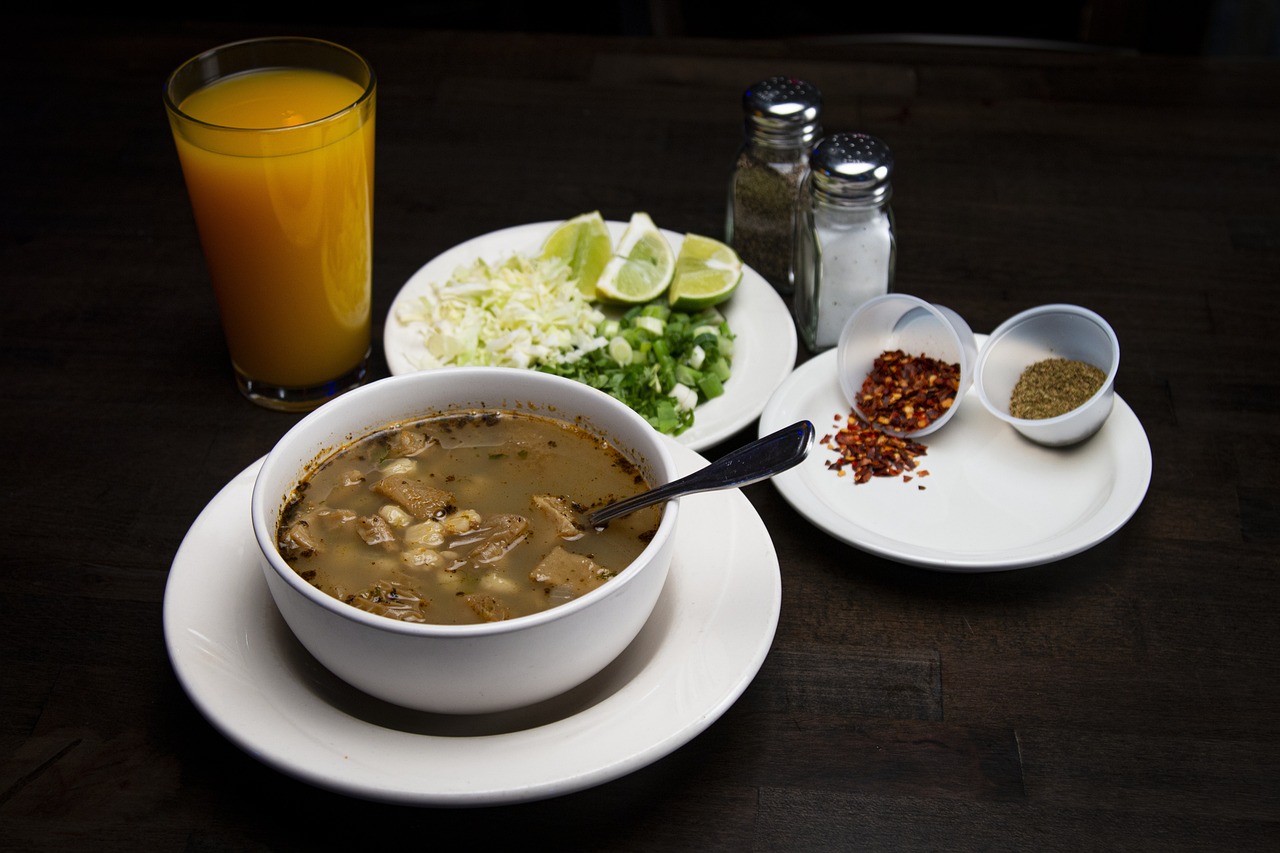
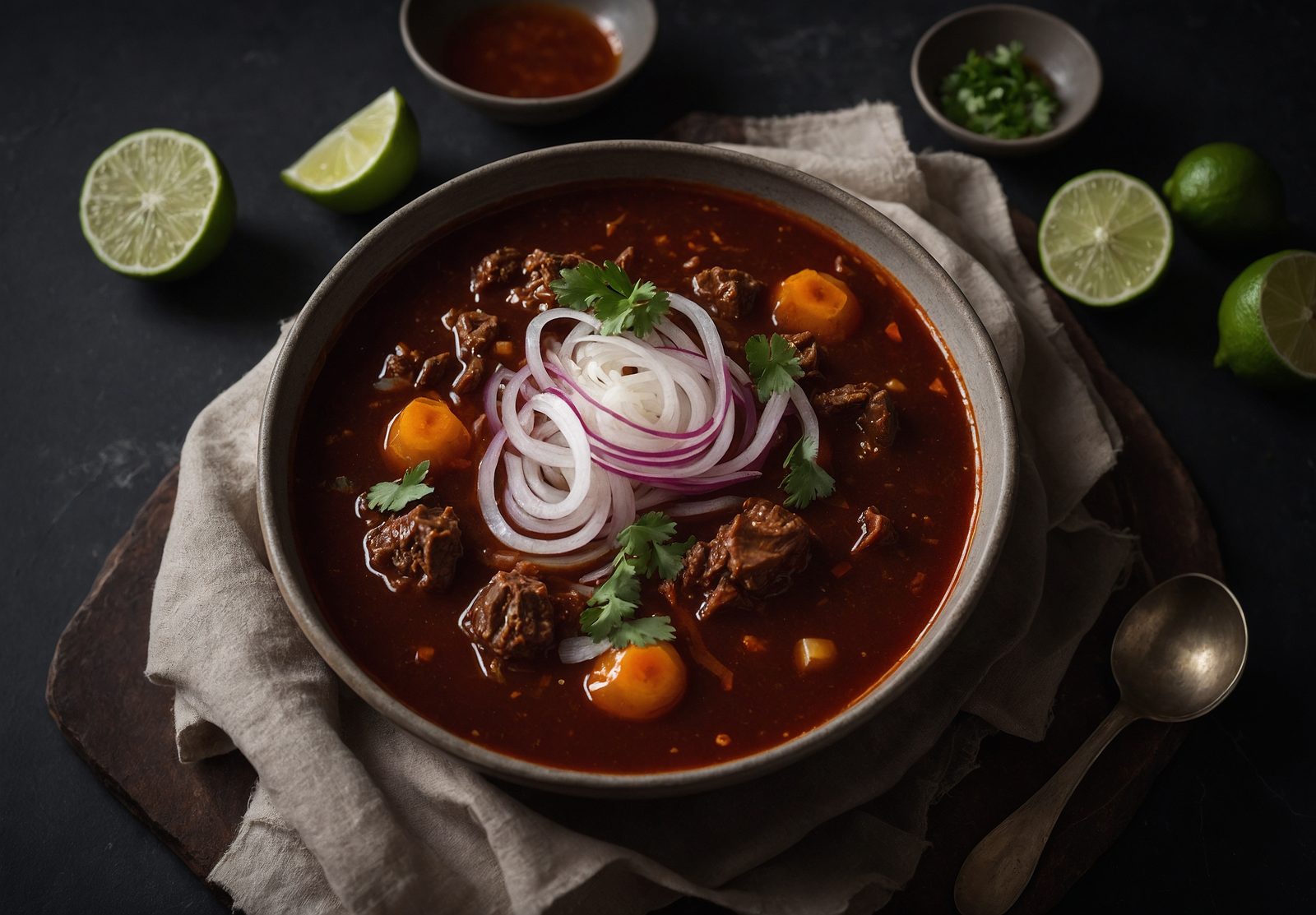
The temperatures and times behind these notes
Cold storage and the two-hour clock
Takeout and cooked leftovers should go into the refrigerator within two hours, or within one hour when the food has sat above 90°F, such as in a hot car. Keep the refrigerator at 40°F or below. The Centers for Disease Control and Prevention guide to preventing food poisoning gives both figures.
Reheating leftovers to 165°F
Leftovers and casseroles should reach 165°F all the way through, the same temperature the CDC gives for poultry. Check the middle of the dish, because the edges reach heat first. The CDC prevention guide lists the temperature.
Cooked rice that has cooled
Bacillus cereus spores survive cooking, so cooked rice should not sit at room temperature. NC State Extension on leftover rice gives a cooling target of 135°F down to 70°F within two hours.