Comprehensive renewable energy options tailored to your needs
Understanding your solar energy options is the first step toward energy independence and sustainable living.
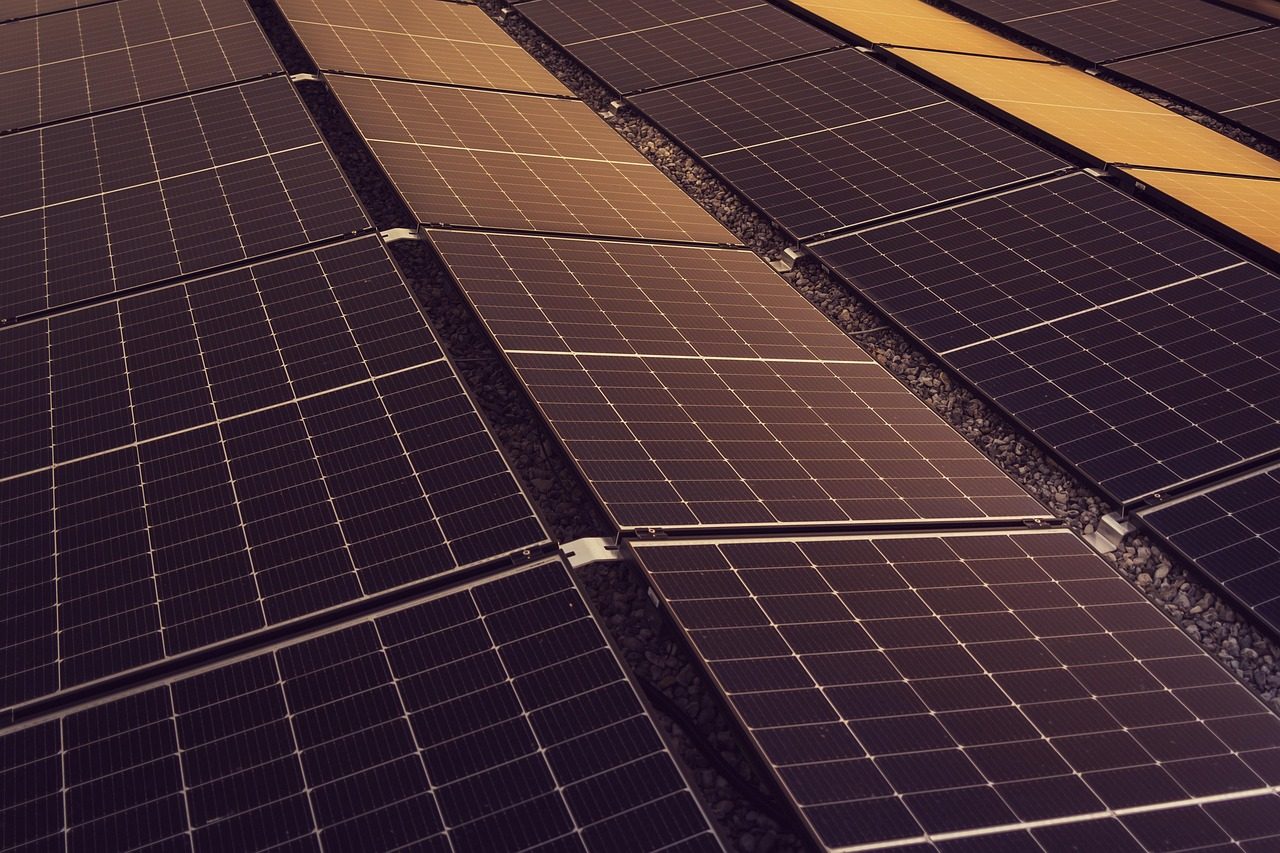
Professional rooftop solar panel systems designed for Massachusetts homes. A good installer handles every step, from the initial assessment through installation and monitoring.
Serving single-family homes and residential properties
Battery backup systems that maximize your solar investment by storing excess energy for use during evening hours or outages. Today's storage technology provides unprecedented energy independence.
24/7 power security and energy optimization
Ongoing performance tracking and preventive maintenance ensure your solar system operates at peak efficiency year-round. Remote monitoring and regular inspections keep your investment performing optimally.
Long-term system health and performance optimization
A professional installation follows industry best practices and Massachusetts building codes. It begins with a comprehensive site evaluation to determine optimal panel placement, sun exposure analysis, and structural requirements for your home.
Once design is finalized, the installation team manages the complete process. This includes roof preparation, electrical system integration, permitting, and final inspections. The installer also coordinates with local authorities and the utility to connect the system to the grid.
After installation, expect a walkthrough of system operation, monitoring software access, and maintenance procedures. Your solar system is designed to operate reliably for 25+ years with minimal maintenance.
Ask about certifications before you sign: find out whether the crew lead holds a current credential from the North American Board of Certified Energy Practitioners (NABCEP), the best-known certification for solar installers in the industry.
If you want to see how one Andover company presents solar energy installation in Massachusetts, Sunday Energy lays out its residential systems, the equipment brands it works with and its free home assessment on its own site.

The solar industry has evolved dramatically. Today's panels are more efficient, affordable, and reliable than ever before. Understanding current technology helps you make informed decisions.
Modern solar panels achieve 20-22% efficiency rates, a significant improvement from earlier generations. Multi-layer silicon construction and anti-reflective coatings maximize light absorption while minimizing loss.
Monocrystalline panels offer superior performance in limited space, while polycrystalline options provide value-conscious solutions. Each technology has distinct advantages depending on your property and budget.
Modern solar systems use string inverters or microinverters to convert DC power to usable AC electricity. Smart monitoring tracks production in real-time, allowing optimization and quick issue identification.
Grid-tied systems automatically balance your home's energy needs with production, drawing supplemental power when needed and feeding excess back to the grid. Battery backup options add resilience and independence.
Owning the equipment is not the only route. Under a power purchase agreement, a company owns the panels on your roof and sells you the power they make; Sunday Energy describes its zero-upfront-cost solar option for Massachusetts homeowners.
Quality solar installation requires more than equipment—it demands expertise, accountability, and commitment to industry standards.
The Solar Energy Industries Association (SEIA) sets standards for professionalism and ethics in the solar industry. Membership reflects commitment to quality, customer satisfaction, and industry advancement.
Advancing solar energy adoption nationwide
Ask whether the technicians on your job hold NABCEP certification, which covers electrical systems, structural considerations, and safety practices. Good installers keep their crews current through ongoing training.
Continuous professional development
Every installation should be tested and inspected before handoff, covering electrical performance, safety grounding, weatherproofing, and operational efficiency. Ask the installer for the results in writing.
Rigorous testing and performance validation
Understanding your options is the first step. Send us your questions and we will help you weigh them before you talk to installers.